.png)
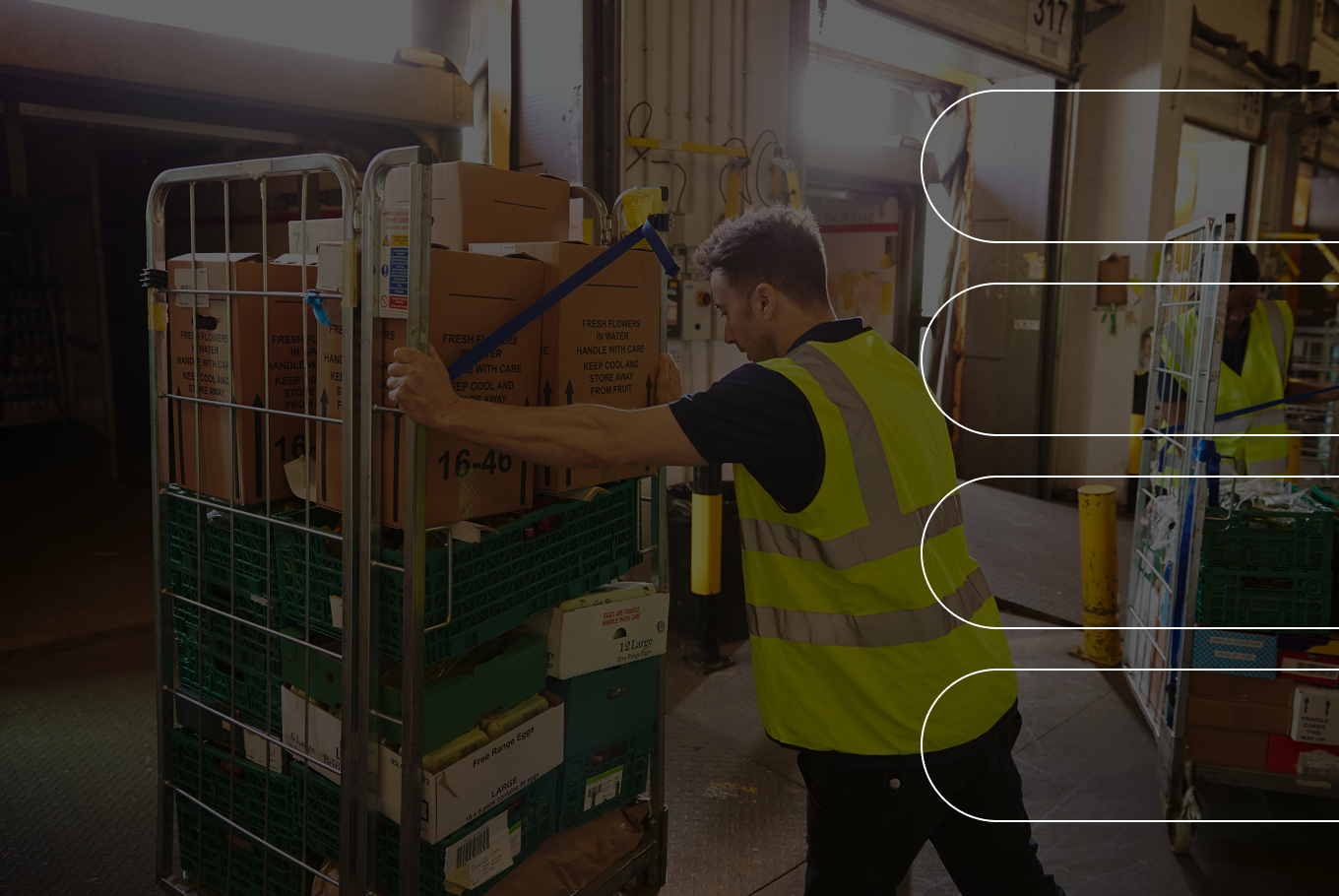
Cold chain safety involves more than maintaining a target temperature. Logistics providers also have to manage traceability, condition monitoring, equipment movement, worker exposure to cold environments, and day-to-day risks inside refrigerated warehouses and distribution centers. NIOSH notes that workers exposed to cold work environments can face cold stress and cold-related illnesses, adding a workforce-safety dimension to cold chain operations.
Software used across the cold chain therefore serves several purposes. Some platforms track shipment temperature and location, others monitor storage environments or refrigerated equipment, and workplace-safety systems address risks inside the facilities where temperature-sensitive goods are handled.
The term "cold chain safety software" can refer to several technology categories. Understanding those categories makes it easier to compare platforms that are designed for different operational problems.
Temperature and humidity monitoring systems record environmental conditions in storage areas, trailers, containers, packages, and other assets. They can issue alerts when readings move outside configured limits and retain data for later review.
For some logistics providers, this is the primary requirement because customers expect continuous documentation of product conditions.
In-transit monitoring adds information such as location, route status, shock, light exposure, or other shipment conditions. These platforms are commonly used when temperature-sensitive cargo moves between facilities, carriers, ports, or transportation modes.
The FDA's Food Traceability Rule establishes additional recordkeeping requirements for certain foods on the Food Traceability List. FDA currently states that it will not enforce the rule before July 20, 2028.
Temperature records and FSMA traceability records are not the same thing, so logistics providers should determine which documentation requirements apply to their operations.
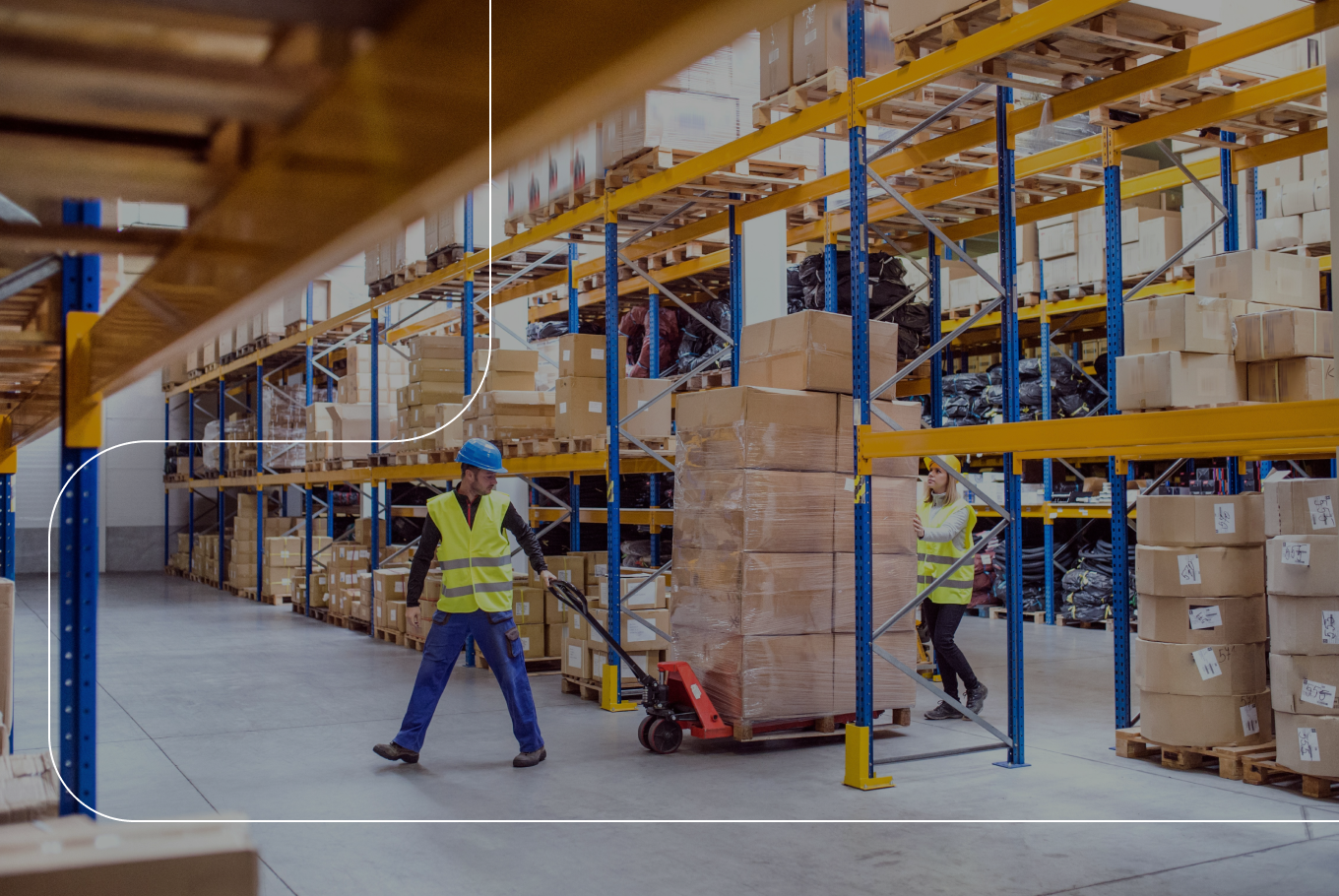
Cold storage facilities introduce a separate group of risks that product-monitoring sensors do not address. These can include powered industrial truck activity, unsafe lifting, spills, blocked paths, required PPE, and worker exposure in temperature-controlled environments.
A complete cold chain safety strategy may therefore use both condition-monitoring technology and workplace-safety software.
Voxel focuses on the facility and workforce safety side of cold chain operations. Rather than monitoring the temperature of individual shipments, its logistics safety platform uses existing security cameras to identify safety and operational risks across warehouses, distribution centers, and other logistics environments.
This distinction is especially relevant in cold storage facilities, where maintaining proper product temperatures does not eliminate workplace hazards. Employees may still face risks related to manual handling, forklift traffic, pedestrian-vehicle interactions, PPE compliance, spills, and obstructed work areas.
Voxel provides continuous visibility into camera-detectable risks involving vehicles, ergonomics, PPE, equipment, and the surrounding work environment. Safety teams can review events with video context, identify recurring patterns, and move identified issues into corrective-action, follow-up, and coaching workflows.
The platform can also surface operational conditions that affect cold storage facilities. At Americold, for example, Voxel identified behaviors including speeding and doors being left open, giving site teams additional visibility into issues that could affect both safety and operational performance.
The Americold customer story provides a directly relevant example of Voxel in a temperature-controlled logistics environment. Americold operates more than 200 temperature-controlled warehouses globally.
At the documented facility, Americold reported a 70% reduction in injuries, a reduction in lost-time days from 288 to zero, and $1.1 million in annual EBITDA savings. The site also incorporated video-backed observations into a coaching-focused safety approach.
For cold chain logistics providers, Voxel can complement temperature and shipment-monitoring systems by adding visibility into how work is performed inside the facility and helping teams address recurring operational safety risks.
SafetyCulture combines digital inspection workflows with sensor-based environmental monitoring. Its temperature sensors can continuously record conditions in areas such as refrigerators, cool rooms, storage spaces, and other controlled environments.
Logistics teams can configure temperature thresholds and receive alerts when readings move outside those parameters. Sensor data can also be viewed with broader inspection, issue-management, and corrective-action information in the SafetyCulture platform.
The system can therefore be used for stationary environmental monitoring while digital checklists support manual inspections and operational procedures. Its functions extend across workplace operations rather than being limited specifically to cold chain logistics.
Sensitech, part of Carrier, provides temperature-monitoring devices and supply-chain visibility technologies used for temperature-sensitive products.
Its TempTale product family includes monitors for food, life sciences, industrial shipments, dry ice applications, and other temperature ranges.
Sensitech supports both conventional data logging and connected monitoring configurations. Depending on the device, logistics teams can collect temperature records, review alarm status, and monitor shipments while they are in transit.
Some products also capture additional conditions such as humidity, light, and location. These capabilities can be used across food and life-sciences logistics where records of shipment conditions are part of the operating process.
ORBCOMM provides industrial IoT and telematics technologies for transportation and asset monitoring, including refrigerated trailers and containers.
Its cold chain products connect vehicle, reefer, and cargo-condition data with centralized software.
Relevant functions include temperature monitoring, reefer status, location data, alerts, fuel information, and remote equipment controls in supported configurations.
ORBCOMM also uses cellular and satellite communications across its broader portfolio. This allows logistics organizations to evaluate connectivity according to the routes and transport assets they operate.
Its cold chain products are primarily oriented toward refrigerated transportation and equipment rather than worker-safety monitoring inside a warehouse.
Controlant focuses on real-time monitoring for pharmaceutical and life-sciences supply chains. Its offering combines connected monitoring devices with cloud software for temperature-sensitive shipments.
The system records temperature and shipment information and provides teams with visibility while products are moving through the supply chain. Controlant also provides workflows for pharmaceutical quality and logistics processes.
Its scope is particularly centered on pharmaceutical cold chains, including vaccines, biologics, and other products where temperature records form part of quality-management processes.
Logistics providers serving life-sciences customers can evaluate Controlant in relation to their required monitoring, documentation, and quality-release workflows.
ELPRO provides environmental and cold chain monitoring technologies for pharmaceutical, biotechnology, life-sciences, and healthcare operations.
Its portfolio includes wireless sensors, data loggers, cloud software, calibration services, and GxP-related consulting.
elproCLOUD supports monitoring of temperature and other environmental parameters across stationary storage, mobile assets, and transport applications. Alerts can be configured when monitored conditions move outside defined requirements.
ELPRO also provides calibrated equipment and compliance-oriented services. This combination allows logistics providers to consider monitoring technology together with validation and calibration requirements when serving regulated customers.
Tive combines multi-sensor trackers with a cloud platform for real-time supply-chain monitoring.
Its cold chain applications cover food, pharmaceuticals, life sciences, and other temperature-sensitive shipments.
Tive trackers can record conditions including temperature, humidity, light, shock, and location. Data is transmitted to a central platform where teams can review shipments and receive alerts when configured conditions change.
The platform supports monitoring across road, air, ocean, and rail transportation. Different tracker and probe configurations cover ambient, frozen, dry-ice, and cryogenic applications.
Decklar is the current name of the company previously known as Roambee. The company changed its name in September 2025 and continues to provide supply-chain visibility and decision-support technology.
Decklar uses supply-chain and condition data to support monitoring and operational decisions around goods in transit. Cold chain applications include condition visibility and quality-release workflows based on shipment information.
The platform can combine sensor information with other supply-chain signals so logistics teams can evaluate product condition in the context of the wider shipment.
For organizations familiar with the previous Roambee brand, existing platform capabilities now sit under the Decklar name.
Monnit provides wireless environmental sensors and the iMonnit monitoring platform.
Its temperature sensors are used in cold chain logistics, food storage, refrigeration, healthcare, facilities, and other environments where remote temperature records are required.
Sensors automatically collect measurements and can trigger notifications when readings cross configured limits. Monnit also offers sensors for humidity and other environmental conditions.
Logistics providers can use the system for fixed storage areas or selected cold chain assets depending on sensor and gateway configuration. Data collected through the sensor network is available through the iMonnit software for monitoring, alerts, and historical review.
Testo provides environmental measurement and monitoring technologies for food, pharmaceutical, laboratory, and industrial applications.
Its testo Saveris 1 system monitors parameters including temperature and humidity and stores measurement data for centralized review.
The platform supports automated measurement recording, configurable alarms, documentation, and monitoring across multiple measurement points.
Testo also positions Saveris for regulated environments where GxP or electronic-record requirements apply. Logistics providers can evaluate the platform for warehouse, storage, and quality-monitoring environments where environmental measurements need to be continuously recorded.
Cold chain providers often already have technology dedicated to product condition. Temperature sensors, reefer telematics, data loggers, and shipment platforms answer questions about whether goods remained within required conditions.
Voxel addresses a different question: What safety and operational risks are developing inside the facility where those goods are being handled?
That can include unsafe forklift behavior, repeated ergonomic exposure, PPE gaps, environmental hazards, and patterns that appear across work areas or shifts. Voxel's risk management workflows then give site teams a way to move from identifying an event to assigning and tracking the response.
Americold illustrates why these layers can coexist. Its cold chain depends on product-temperature controls, while Voxel provided additional visibility into employee safety and facility practices. The platform identified issues including speeding, ergonomics, and open-door behavior while the operation used video-backed insights for coaching and process changes.
For logistics providers building a broader cold chain safety program, Voxel therefore complements rather than replaces temperature-monitoring technology. The combination can give teams visibility into both the condition of temperature-sensitive goods and the safety of the industrial environments where those goods are stored and moved.
The appropriate monitoring scope depends on whether the primary risk involves products, transportation assets, or the workplace. Temperature, humidity, location, equipment status, vehicle activity, and worker behavior may require different systems. Voxel's ergonomic risk detection can complement product-condition monitoring by identifying camera-visible lifting and posture risks inside cold storage operations.
Some workplace-safety platforms can identify configured PPE requirements through camera analytics, while conventional cold chain sensor platforms generally focus on environmental or shipment conditions. PPE monitoring should be matched to the equipment and protective requirements established for the facility. Voxel provides PPE compliance monitoring for designated protective equipment and safety zones.
Temperature sensors are designed to measure environmental or product conditions, so they do not provide visibility into every workplace hazard. Risks such as liquid on the floor, unsafe vehicle movement, or blocked pathways require different controls and monitoring methods. Voxel's spill detection is one example of how camera-based safety technology can add facility-level visibility alongside temperature systems.
Cold storage and refrigerated distribution facilities should manage vehicle safety through traffic controls, operator procedures, training, supervision, and appropriate technology. Software can add information about repeated speeding, stop behavior, or interactions between powered industrial trucks and pedestrians. Voxel's vehicle safety monitoring can identify these camera-visible patterns across monitored logistics areas.
Not necessarily. Logistics providers often need different systems for calibrated temperature monitoring, traceability, transport visibility, and workplace safety because those functions rely on different data and controls. Voxel can serve as the facility-safety layer alongside existing cold chain systems, and teams can book a Voxel demo to evaluate which camera-visible risks are relevant to their operations.

Explore AI Summary