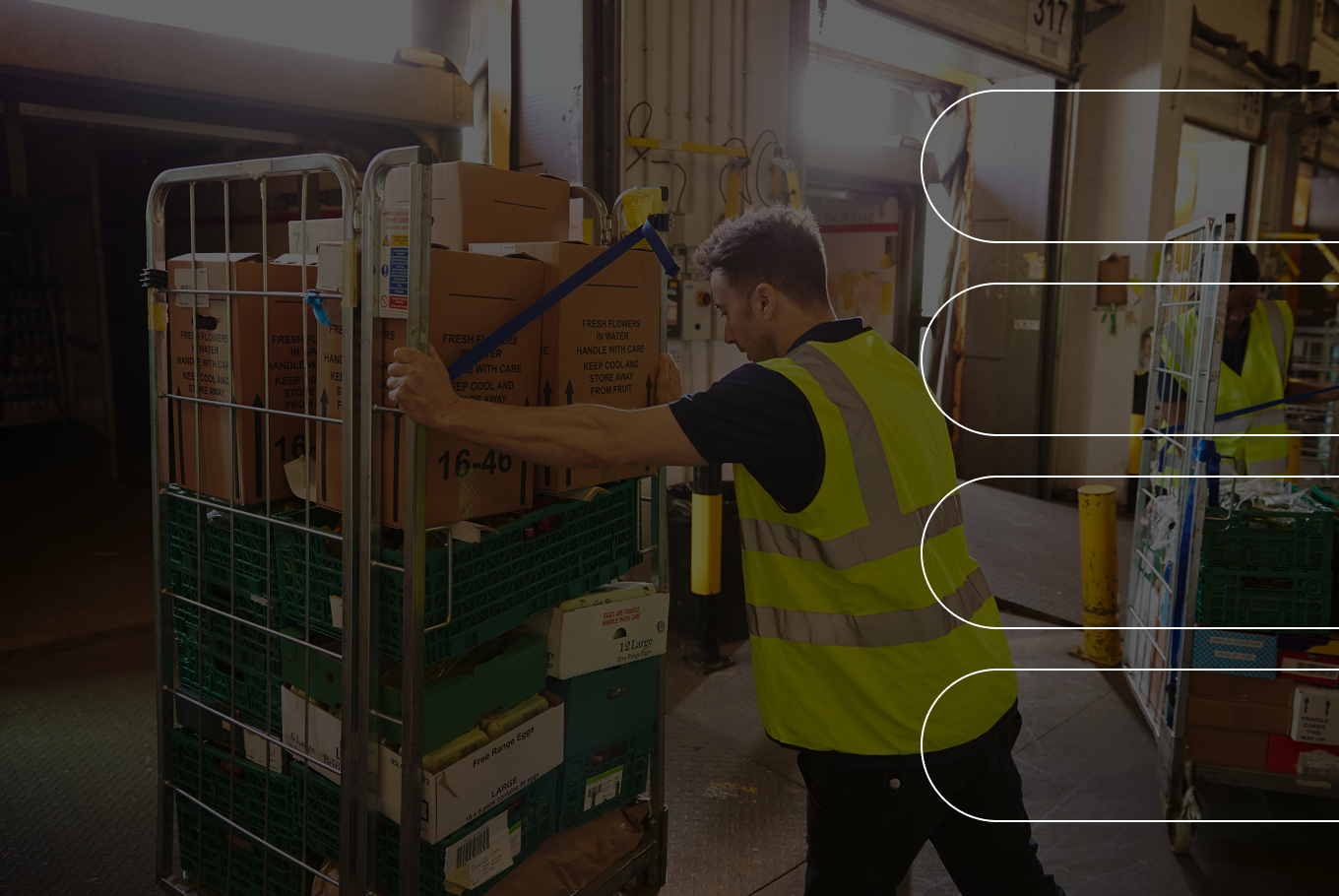
Food processing plants need camera systems that can operate around sanitation routines, moisture, cleaning chemicals, refrigerated areas, machinery, packaging lines, and material handling. In 2024, the BLS injury rate for U.S. food manufacturing was 3.3 total recordable injury and illness cases per 100 full-time workers.
Camera selection therefore depends on the installation zone and intended use. Washdown areas may require stainless-steel housings and high ingress-protection ratings, while packaging lines may use machine vision for inspection and code verification. Voxel adds industrial intelligence to existing camera infrastructure, giving safety and operations teams continuous workplace visibility and a structured path from detection to action.
Food processing sanitation can expose equipment to water, cleaning agents, and repeated temperature changes. Cameras installed in these areas should have ingress protection appropriate for the facility's cleaning process, along with suitable housings, seals, connectors, and mounting hardware.
IP69K-rated equipment is designed for close-range, high-pressure, high-temperature water jets. Stainless-steel housings are also common in wet and corrosive areas. AISI 316 and 316L stainless steels contain molybdenum, improving resistance to pitting and crevice corrosion in many chloride-containing environments.
The USDA sanitation guidance emphasizes sanitary facility and equipment conditions in regulated meat and poultry environments. For camera planning, that reinforces the importance of selecting hardware and mounting methods that align with the sanitation requirements of the specific installation area.
Covered facilities subject to the FDA preventive controls requirements use documented processes for hazard analysis, preventive controls, monitoring, corrective actions, verification, and records.
Video can add operational context during internal reviews, investigations, training, and assessment of workplace practices. Food-safety monitoring and required records remain part of the facility's established FSMA, HACCP, sanitation, and quality processes.
Food-zone installations may also require equipment designed around cleanability and sanitary construction. NSF food standards address materials, design, construction, and performance for food equipment, including NSF/ANSI Standard 169 for special-purpose food equipment and devices.
Certification is specific to the product and intended use. Facilities should therefore verify the exact certification and installation category for an individual camera rather than assuming that stainless-steel construction alone makes a device suitable for every food-processing area.
Food processing operations can combine repetitive manual tasks, powered equipment, pedestrian activity, wet floors, PPE requirements, and material handling.
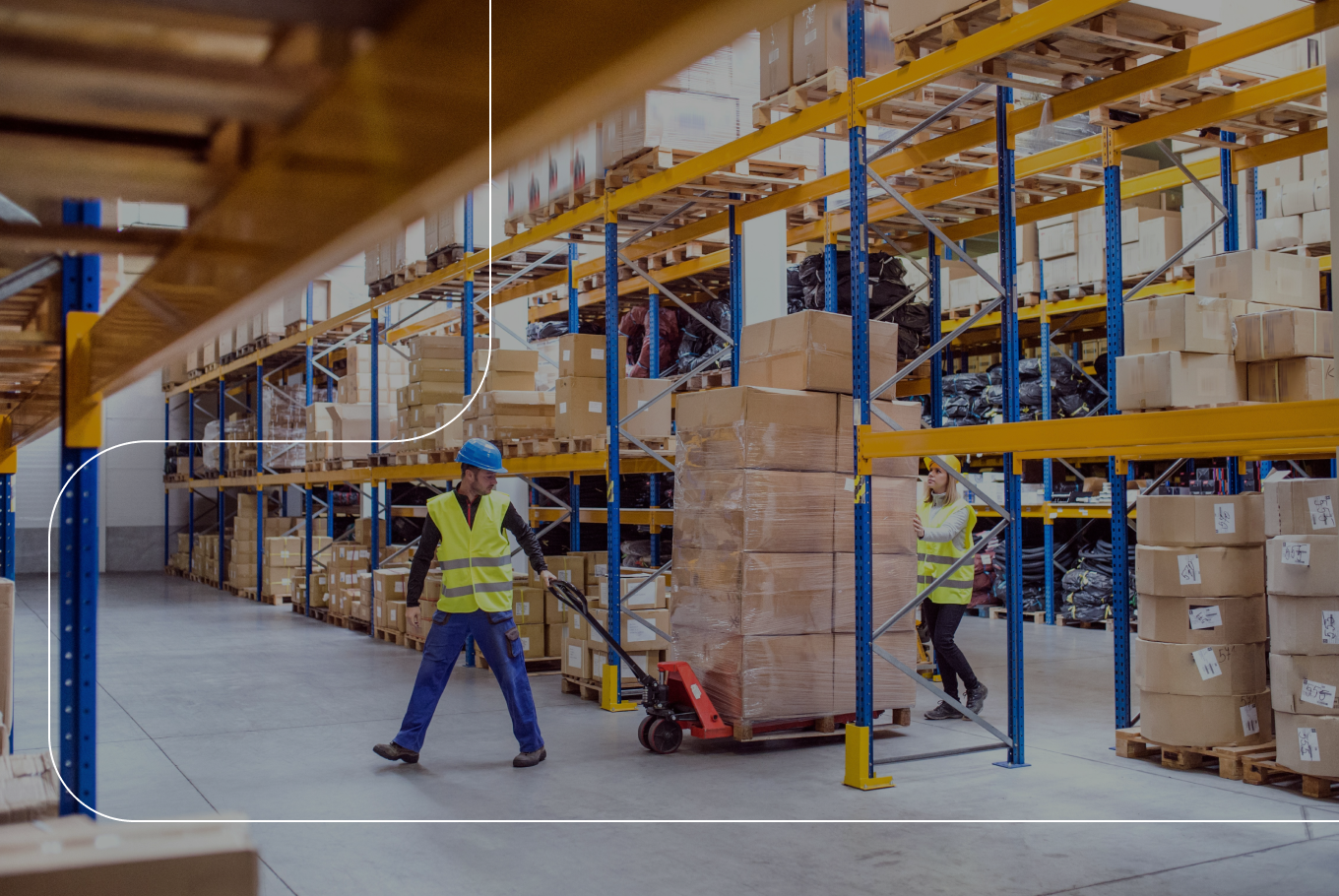
Camera placement should prioritize production areas, forklift paths, pedestrian routes, loading docks, sanitation zones, intersections, and other locations where workplace activity can be observed consistently. This gives security, safety, and operations teams more useful visibility than treating cameras solely as perimeter-surveillance devices.
Food-processing facilities rarely need one camera specification everywhere. Washdown and production zones may prioritize stainless-steel construction, sealed connections, and high ingress protection. Packaging and labeling stations may use machine vision for repeatable inspection tasks. Warehouses, docks, and yards may prioritize conventional surveillance coverage, low-light performance, impact resistance, and analytics.
Temperature-controlled rooms add another requirement: the camera's operating and startup temperatures should match the actual installation environment. Mapping these conditions before procurement helps teams select the appropriate technology for each zone.
Voxel provides an AI-powered industrial intelligence platform that transforms existing camera infrastructure into continuous workplace visibility for food-processing safety and operations teams.
The platform analyzes conditions involving ergonomics, PPE, vehicles, pedestrians, equipment, spills, obstructions, designated areas, and operational activity. These insights connect with recommended actions, assigned owners, deadlines, follow-up, coaching, and executive reporting.
Voxel works with over 95% of existing IP cameras and adapts to new site environments within 48 hours. Its AI is trained on more than 5 billion hours of real-world industrial workplace scenarios, and Voxel reports 95%+ detection accuracy using models fine-tuned to each site's environment. The platform is deployed across more than 250 sites worldwide.
Food-processing plants combine repetitive manual work, PPE requirements, powered equipment, pedestrian activity, loading operations, spills, and sanitation-related movement. Voxel provides continuous visual intelligence across these workplace conditions using camera coverage already in place.
Safety leaders can review patterns, assign corrective work, incorporate coaching, document follow-through, and use reporting to measure changes across individual facilities or larger networks.
A recurring ergonomic pattern can highlight an opportunity for coaching or workstation improvement, while repeated vehicle interactions, PPE observations, or spill events can help teams prioritize follow-up. Voxel's reporting and action workflows keep those observations connected to ownership and resolution.
Voxel also has documented experience in temperature-controlled food supply chains. At the featured Americold deployment, the customer reported a 70% reduction in injuries, a 100% reduction in lost-time days, and $1.1 million in EBITDA savings.
Americold also used Voxel footage and analytics in a "Caught You Being Safe" program focused on recognizing safe behaviors and supporting coaching.
Outcomes reflect the facility's baseline conditions, operating environment, safety program, priorities, and implementation approach.
The Axis P3268-SLVE is an 8 MP stainless-steel dome designed for demanding food-processing environments. It uses marine-grade SS 316L stainless steel and carries NSF/ANSI Standard 169 certification for designated food-processing applications.
Its stainless-steel construction, food-processing certification, corrosion resistance, and enclosure protection make it relevant to sanitation-sensitive areas requiring conventional security video.
The Cognex In-Sight D900 is a deep-learning machine-vision system for automated inspection, measurement, identification, and factory-floor applications.
The D900 supports controlled production and packaging applications such as label inspection, product classification, code verification, and other automated visual checks.
Baumer offers VeriSens vision sensors in stainless-steel IP69K configurations for food and beverage applications.
VeriSens supports applications including code verification, label positioning, closure checks, product-presence detection, and other production inspections in sanitation-intensive environments.
The Hikvision DS-2XM6 family includes rugged industrial camera models, with specifications varying by individual configuration.
Selected IP69K-rated models can support wet-area surveillance where model-specific temperature, enclosure, mounting, and sanitation requirements align with the installation.
Opticom Technologies provides industrial cameras built with AISI 316 stainless-steel housings for food-processing and washdown environments.
These cameras address areas where repeated sanitation, moisture, cleaning agents, and corrosion resistance are central to system design.
The Keyence VS Series combines AI-assisted machine vision with configurable optical and inspection tools.
The VS Series supports package inspection, label verification, code reading, traceability, and product checks on automated production lines.
The Veilux SVEX-T100 family includes explosion-protected camera housings and configurations for hazardous industrial areas.
The T100 family is relevant to grain handling, flour processing, ethanol production, and other classified locations where combustible dust or flammable atmospheres influence camera selection.
The EnviroCams Stronghold line includes stainless-steel IP cameras intended for food-processing plants and other harsh environments.
Stronghold cameras provide conventional surveillance for wet, corrosive, and harsh production environments where stainless-steel construction is useful.
Paragon provides rugged stainless-steel camera configurations including fixed, PTZ, thermal, and hazardous-area systems.
Paragon's range can support corrosive, washdown, hazardous-area, and other demanding applications where the selected model's environmental specifications match the processing zone.
Voxel turns existing food-processing camera coverage into an active source of safety and operational intelligence. The platform provides continuous visibility across work areas and connects observations with structured action.
Food-processing facilities often combine repetitive tasks, pedestrian movement, forklifts, PPE, loading activity, equipment, and wet-floor conditions.
Voxel provides continuous visibility into these patterns across connected camera views, helping teams understand where risks occur and how conditions change over time. This supports daily safety reviews, coaching, operational discussions, and prioritization across production, warehouse, loading, and material-handling areas.
Voxel's Actions workflows connect identified conditions with recommended responses, task ownership, deadlines, coaching, and follow-up.
Executive reporting gives leaders visibility into identified risks, actions taken, and changes over time. This creates a connected process from workplace observation through documented resolution.
Food and beverage organizations often operate plants with different layouts, equipment, staffing patterns, and camera environments. Voxel's site-tuned AI supports each facility's operating context while multi-site and executive reporting brings identified risks, completed actions, and trend information into a broader organizational view.
Local teams retain detailed visibility into site conditions, while EHS and operations leaders can review patterns across facilities and apply successful safety practices throughout the network.
Voxel incorporates privacy and enterprise security controls designed for industrial environments. The platform uses no facial recognition and provides face and body blurring, strict role-based access controls, SSO, SOC 2 Type II-audited controls, TLS 1.2 encryption in transit, and AES-256 encryption at rest.
These controls support enterprise deployments while giving organizations structured management of video access and workforce privacy.
Requirements depend on the installation zone. Washdown areas may need high ingress protection, corrosion-resistant housings, sealed connections, and hygienic construction. Production-inspection areas may use machine vision, while warehouses and loading spaces may prioritize field of view, low-light performance, impact resistance, and network integration. Temperature-controlled locations should also use cameras rated for their actual operating conditions.
Yes. Voxel works with over 95% of existing IP cameras and adapts to new site environments within 48 hours. It transforms existing camera coverage into industrial intelligence for workplace visibility, corrective actions, coaching, trend analysis, and reporting.
Voxel provides visibility into conditions involving ergonomics, PPE, vehicles, pedestrians, spills, obstructions, designated areas, equipment, and other industrial scenarios. These insights help teams identify patterns, prioritize actions, strengthen coaching, and track changes across work areas over time.
Voxel connects camera-based intelligence with recommended actions, assigned ownership, deadlines, coaching, trend analysis, and reporting. Safety teams gain continuous workplace visibility alongside a structured process for turning observations into documented action and measurable follow-through.
Yes. Voxel is deployed across more than 250 sites worldwide. Site-tuned AI supports individual operating environments, while multi-site and executive reporting gives EHS and operations leaders broader visibility into identified risks, actions, and changing patterns across distributed industrial operations.

Explore AI Summary