Exciting News: Ventral AI Is Joining Voxel!
Learn More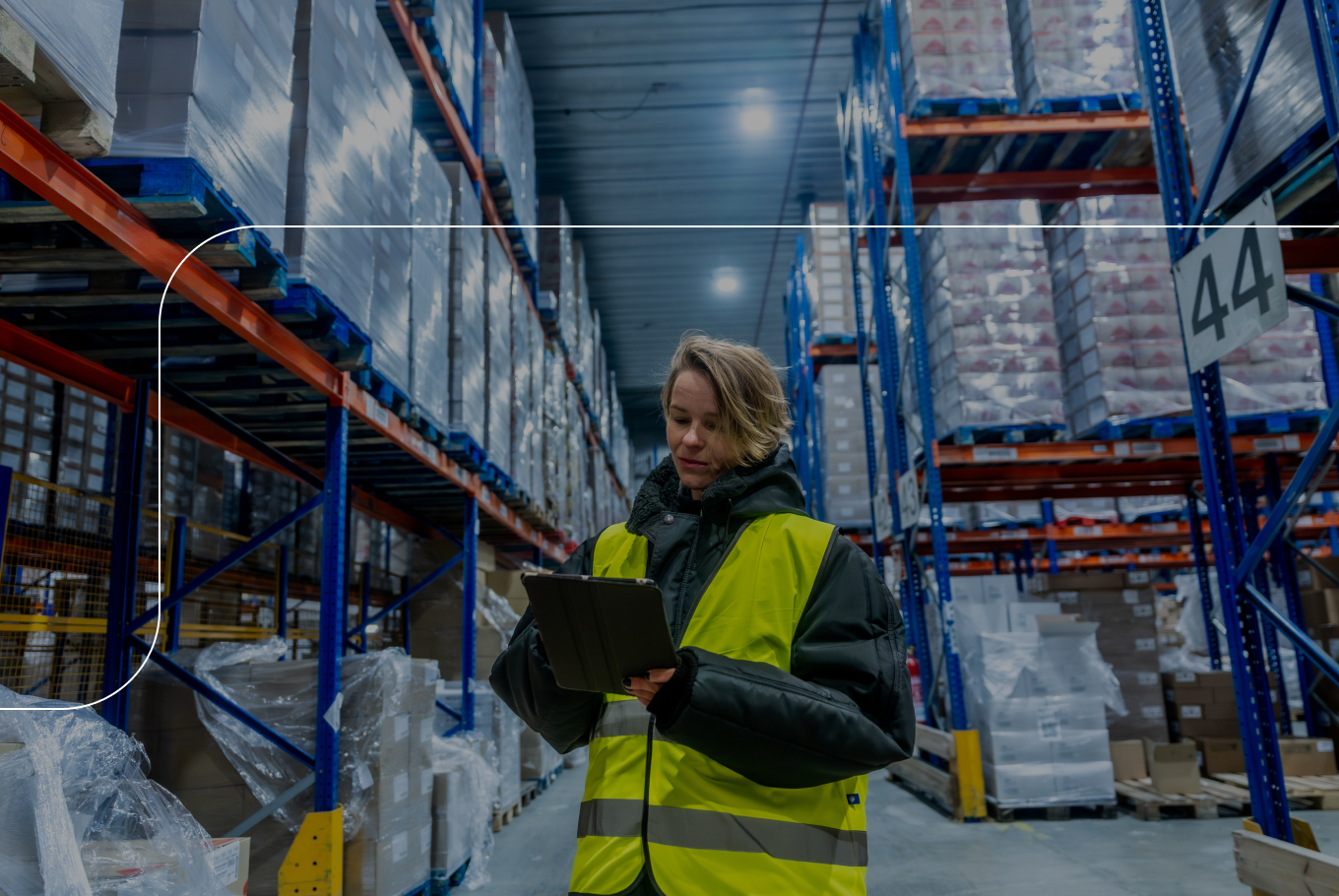
Warehouse operations involve a range of workplace safety risks, including material handling, vehicle movement, ergonomics, and pedestrian traffic. OSHA's warehousing safety initiative highlights the importance of addressing hazards involving powered industrial trucks, material handling, walking-working surfaces, ergonomics, and fire protection.
Warehouse safety equipment includes established physical protection systems alongside newer technologies such as AI-powered monitoring, proximity detection, and digital safety management tools. These solutions help facilities identify hazards, strengthen preventive measures, and support safer daily operations.
Traditional safety programs depend partly on supervisors manually observing operations, which becomes challenging in facilities spanning hundreds of thousands of square feet. Periodic inspections and incident reports provide valuable information but may not capture recurring unsafe behaviors or near-miss events.
Equipment damage from forklift impacts, facility downtime, workplace injuries, and regulatory citations can create additional expenses. Modern warehouse safety equipment addresses these challenges through layered protection.
Physical barriers separate pedestrians from vehicle traffic. PPE protects individual workers from identified hazards. Fire protection systems address emergency risks, while AI-powered technologies provide continuous monitoring that supports proactive safety management.
Facilities combining appropriate physical controls with monitoring technologies can identify recurring hazards, prioritize corrective actions, and strengthen workplace safety programs.
AI-powered safety camera systems analyze video footage to identify configured workplace hazards and provide safety teams with actionable insights. Some platforms can use existing security camera infrastructure, allowing facilities to expand safety monitoring without replacing their entire camera systems.
Voxel is an example of this technology. Its AI-powered site intelligence platform uses compatible existing cameras to identify risks across warehouses, manufacturing plants, and distribution centers. The platform combines automated detection with analytics, corrective-action workflows, and reporting to support proactive workplace safety management.
AI-powered camera systems provide continuous monitoring across camera-covered areas, helping safety teams identify unsafe behaviors and conditions that may go unnoticed during manual inspections.
Voxel's platform monitors multiple risk categories, including unsafe vehicle interactions, improper ergonomic movements, PPE violations, spills, and blocked exits.
Voxel reports 95%+ detection accuracy using AI models fine-tuned to each facility's unique environment. The platform's AI is trained on more than 5 billion hours of real-world industrial workplace scenarios.
The company also reports compatibility with approximately 95% of existing IP cameras and deployment in as little as 48 hours, depending on site readiness and configuration requirements.
By combining automated monitoring with corrective-action workflows and executive reporting, Voxel helps warehouse teams identify recurring hazards, assign preventive actions, and measure safety improvements.
Voxel's published customer stories provide examples of measurable safety outcomes:
These results demonstrate how AI-powered monitoring, combined with corrective actions and workforce engagement, can support measurable workplace safety improvements. Individual outcomes depend on facility conditions and implementation practices.
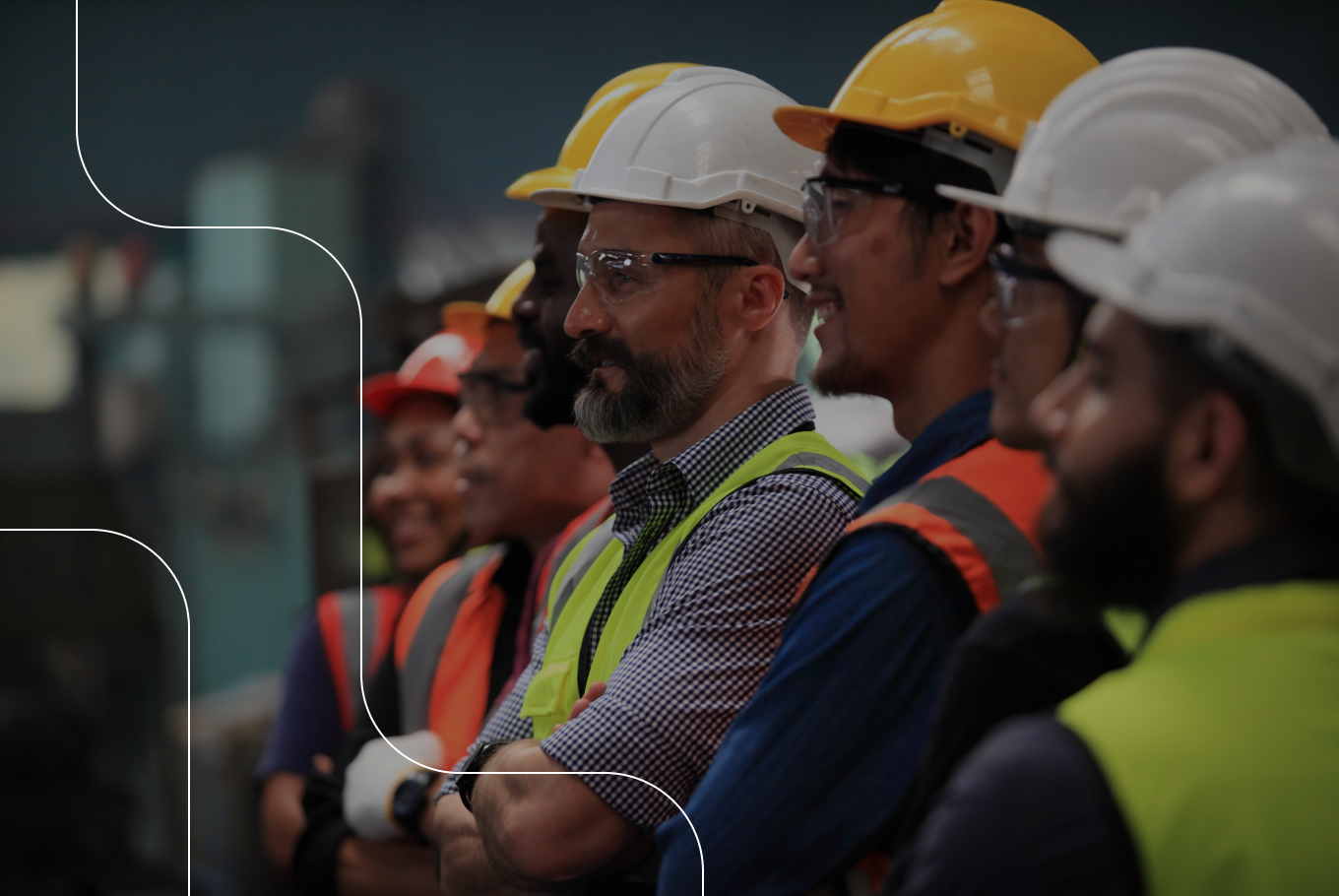
Personal protective equipment provides an additional layer of protection when workplace hazards cannot be adequately controlled through elimination, engineering measures, or administrative procedures.
Under OSHA's PPE requirements, employers must assess workplace hazards, select suitable protective equipment, and ensure affected employees use properly fitted PPE.
Properly selected PPE helps reduce exposure to injuries involving falling objects, sharp materials, moving equipment, and other workplace hazards.
Equipment selection depends on the task. For example, bump caps provide limited protection against minor contact with stationary objects and are not substitutes for industrial protective helmets where falling-object hazards exist.
Consistent PPE use is also important. AI-powered PPE detection systems can help supervisors identify configured compliance risks across monitored areas and provide additional information for coaching and corrective action.
Heavy-duty guardrails create physical boundaries that support traffic separation in warehouse environments. These systems help protect designated pedestrian areas and facility infrastructure from vehicle impacts.
OSHA's materials-handling requirements under 29 CFR 1910.176(a) address safe clearances, unobstructed passageways, and appropriately marked permanent aisles.
Physical barriers can support these requirements by separating traffic flows where a facility's risk assessment identifies a need. Guardrails also help protect critical infrastructure, including walls, columns, and electrical panels.
Impact performance varies by product design, anchoring method, vehicle mass, and impact speed. Facilities should evaluate appropriate performance specifications before installation.
Forklift safety technologies may include fleet telematics, impact monitoring, digital inspection tools, proximity detection, and vehicle speed controls. Available features vary by product and installation configuration.
Forklift safety programs combine operator training, routine equipment inspections, speed management, pedestrian separation, and warning technologies to address workplace transport risks.
Under OSHA's forklift safety standard, powered industrial trucks must be examined before being placed in service, at least daily, or after each shift when used continuously.
Camera-based detection can identify pedestrians without requiring wearable tags when configured appropriately. However, system effectiveness depends on camera coverage, operating conditions, and the available warning or intervention capabilities.
These technologies complement established traffic controls and operator responsibilities rather than replacing them.
Warehouse fire safety programs may include extinguishers, fire detection systems, automatic sprinklers, emergency lighting, and evacuation procedures.
Equipment selection, inspection frequency, and employee training requirements depend on applicable regulations, building characteristics, and identified fire risks.
Fire protection systems help facilities identify fire-related hazards, support emergency response, and limit potential damage to workers and infrastructure.
OSHA's extinguisher requirements establish applicable rules for the placement, inspection, maintenance, and use of portable fire extinguishers.
According to NFPA warehouse fire research, misuse of materials or products contributed to an estimated 26% of U.S. warehouse structure fires during 2020–2024.
Proper material storage, housekeeping, equipment maintenance, and appropriately designed fire protection systems remain important components of warehouse fire prevention.
Bollards help protect structural columns, doorways, equipment, and other infrastructure from vehicle contact. Steel-core and polymer-covered configurations are available, with installation and maintenance requirements varying by application.
Damage to overhead doors, structural supports, and electrical panels can lead to operational downtime and repair expenses.
Bollards provide targeted protection for infrastructure exposed to forklift and other industrial vehicle movements. Their placement can help reduce the likelihood and consequences of unintended vehicle contact.
Facilities should evaluate anticipated impact forces, floor conditions, installation requirements, and inspection procedures when selecting bollard systems.
Pedestrian barriers and marked walkways help establish designated routes and controlled crossing points in warehouses. These systems support workplace traffic management and can be combined with operational procedures and monitoring technologies.
OSHA's pedestrian traffic guidance recommends separating forklift traffic from pedestrians wherever possible. Suggested controls include designated walkways, protective barriers, appropriate signs, and clear traffic routes.
Physical barriers help establish predictable pedestrian movement, while floor markings and signage reinforce designated operating procedures.
These measures also support employee training and help seasonal or newly hired workers understand pedestrian routes and vehicle operating areas.
Rack guards and upright protectors help reduce damage to pallet-racking components caused by vehicle contact. Regular inspections help facilities identify damage and determine when repairs or replacements are necessary.
Pallet-racking systems are exposed to potential damage from forklift movement, particularly in narrow aisles and high-traffic storage areas.
Repeated contact can affect structural components and may compromise rack integrity over time.
Protective equipment helps reduce exposure to impact damage, but it does not replace regular inspections, safe load management, or appropriate repair procedures. Damaged racking should be assessed to determine whether components require repair or replacement.
High-visibility clothing and clear signage create a visual communication system that reinforces warehouse safety protocols.
These measures help workers recognize designated traffic routes, restricted areas, and potential hazards involving moving equipment.
High-visibility clothing and safety signage support visual awareness in areas where pedestrians and industrial vehicles interact.
Facilities should use consistent floor markings and select protective clothing according to workplace visibility conditions and relevant standards, such as ANSI/ISEA 107 where applicable.
Reflective materials can improve visibility under appropriate lighting conditions. AI-powered systems can also monitor configured safety-vest compliance risks across camera-covered areas.
NSG Group reported a 62% reduction in safety-vest incidents within the first 30 days at one U.S. facility using Voxel's automated monitoring technology.
Loading docks require coordinated controls for forklift movement, trailer positioning, pedestrian access, and elevated working surfaces.
Appropriate equipment may include dock barriers, vehicle restraints, edge protection, and clearly marked traffic routes.
Loading docks present multiple hazards involving moving trucks, forklifts, pedestrians, and elevated surfaces.
OSHA's fall protection requirements address applicable hazards involving unprotected sides and edges, while its dockboard requirements establish rules for safe dockboard design and use.
The combination of trucks, forklifts, and pedestrians creates risks that require coordinated equipment and operating procedures.
Facilities should review dock protection whenever loading activities, traffic patterns, or operating conditions change significantly.
When evaluating comprehensive warehouse safety solutions, Voxel provides AI-powered capabilities that support hazard identification, corrective actions, and safety performance measurement.
Voxel's AI is trained on more than 5 billion hours of real-world industrial workplace scenarios.
The platform detects risks involving ergonomics, vehicles, PPE, equipment interactions, and environmental hazards such as spills and blocked exits.
This multi-hazard approach helps warehouse teams monitor different safety risks through a single platform.
Voxel connects risk detection with corrective-action workflows and reporting.
The platform turns identified hazards into recommended actions, assigns owners and deadlines, and tracks resolution. Built-in reporting helps leadership assess completed actions and monitor changes in safety performance.
Voxel provides access to certified safety professionals with experience in workplace safety, risk management, and operational excellence.
These specialists support facility-specific implementation, provide actionable recommendations, and work with safety teams to address changing operational priorities.
Voxel has documented deployments across manufacturing, warehousing, distribution, and port operations.
NSG Group expanded Voxel's platform from an initial Canadian pilot to multiple international manufacturing locations.
Port of Virginia reported a 50% reduction in truck speeding and an 85% improvement in safety team efficiency, while Piston Automotive reported an 86% reduction in vehicle safety incidents.
Voxel incorporates privacy-focused monitoring features and does not use facial recognition.
Face and body blurring options and role-based access controls support deployment in workforce-sensitive environments.
At Carlex Glass, management worked with United Auto Workers leadership to establish a non-punitive deployment focused on training and safety improvement.
Voxel reports compatibility with approximately 95% of existing IP cameras and can deploy in as little as 48 hours, depending on site readiness and configuration requirements.
The platform enables organizations to introduce AI-powered monitoring using compatible existing cameras without requiring vehicle-mounted hardware for facility-camera-based detection.
Warehouse operators seeking to strengthen their safety programs can schedule a meeting with a Voxel expert to explore facility-specific risks and deployment requirements.
Warehouse safety equipment should be selected according to identified hazards and applicable regulatory requirements. Common categories include PPE, physical barriers, forklift safety systems, fire protection, and dock safety equipment. AI-powered monitoring platforms such as Voxel can complement these controls by identifying recurring risks across covered facility areas.
AI-powered camera platforms analyze video footage to identify configured workplace hazards and help teams prioritize corrective actions. Voxel monitors multiple risk categories, including PPE compliance, ergonomic risks, vehicle safety, and environmental hazards. Its analytics and reporting tools help safety teams evaluate trends and track improvements.
Some AI safety platforms integrate with existing security cameras, although compatibility varies. Voxel reports compatibility with approximately 95% of existing IP cameras and deployment in as little as 48 hours under suitable site conditions. Camera placement, image quality, network capacity, and configuration requirements affect installation and monitoring coverage.
Physical barriers provide protection independently of automated monitoring. Guardrails help separate pedestrian and vehicle traffic, bollards protect infrastructure, and designated walkways establish traffic routes. These physical systems complement Voxel's AI monitoring, which helps safety teams identify recurring unsafe behaviors and conditions that may require additional corrective action.
Voxel helps organizations identify safety risks and track corrective actions that may reduce workplace incidents and associated expenses. Americold reported $1.1 million in annual EBITDA savings alongside a 70% injury reduction, while MSI reported a 73% reduction in workers' compensation costs within six months. Financial outcomes depend on facility conditions, implementation practices, and existing safety programs.