Voxel Acquires Ventral to Boost Operational Capabilities and Increase Value for Our Customers.
Learn More
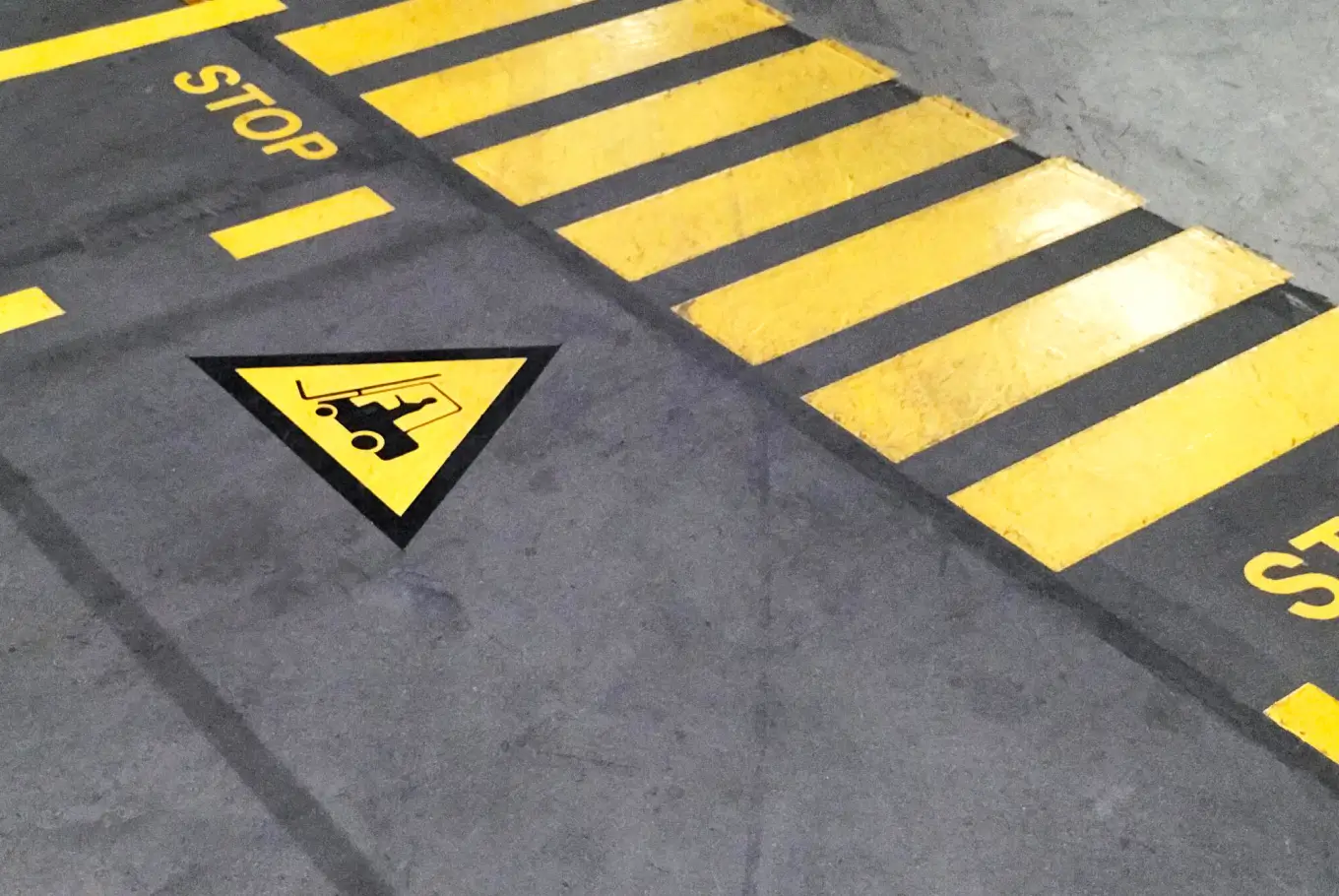
Leading the way in workplace safety is more than a compliance requirement, it’s a strategic advantage. Businesses that prioritize safety not only protect their employees, but also enhance their operational efficiency and reputation. It’s crucial for companies to stay ahead of the latest safety trends in workplace safety technology, especially as tech advances at a faster pace than ever.
Stay ahead of these six safety trends:
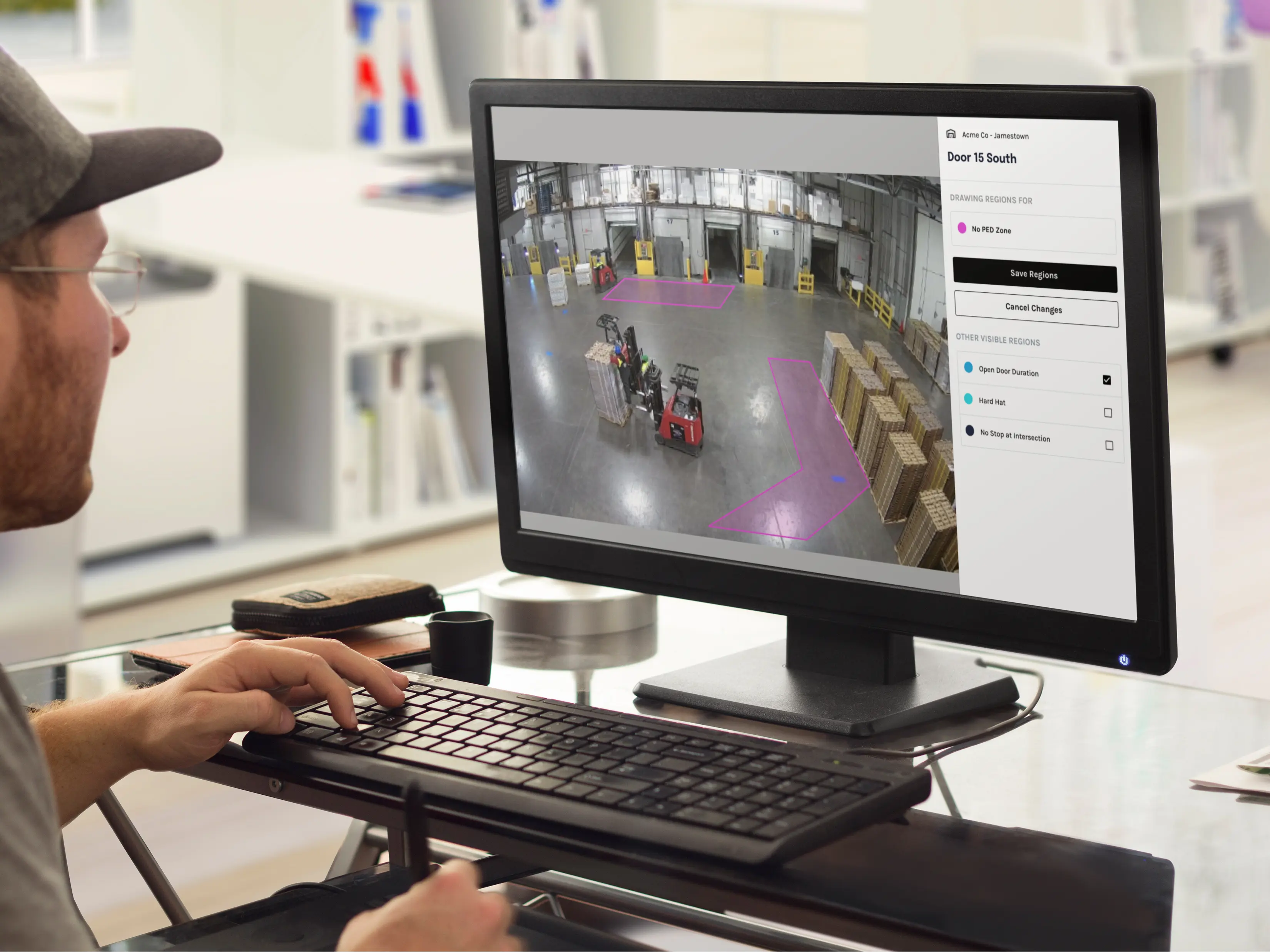
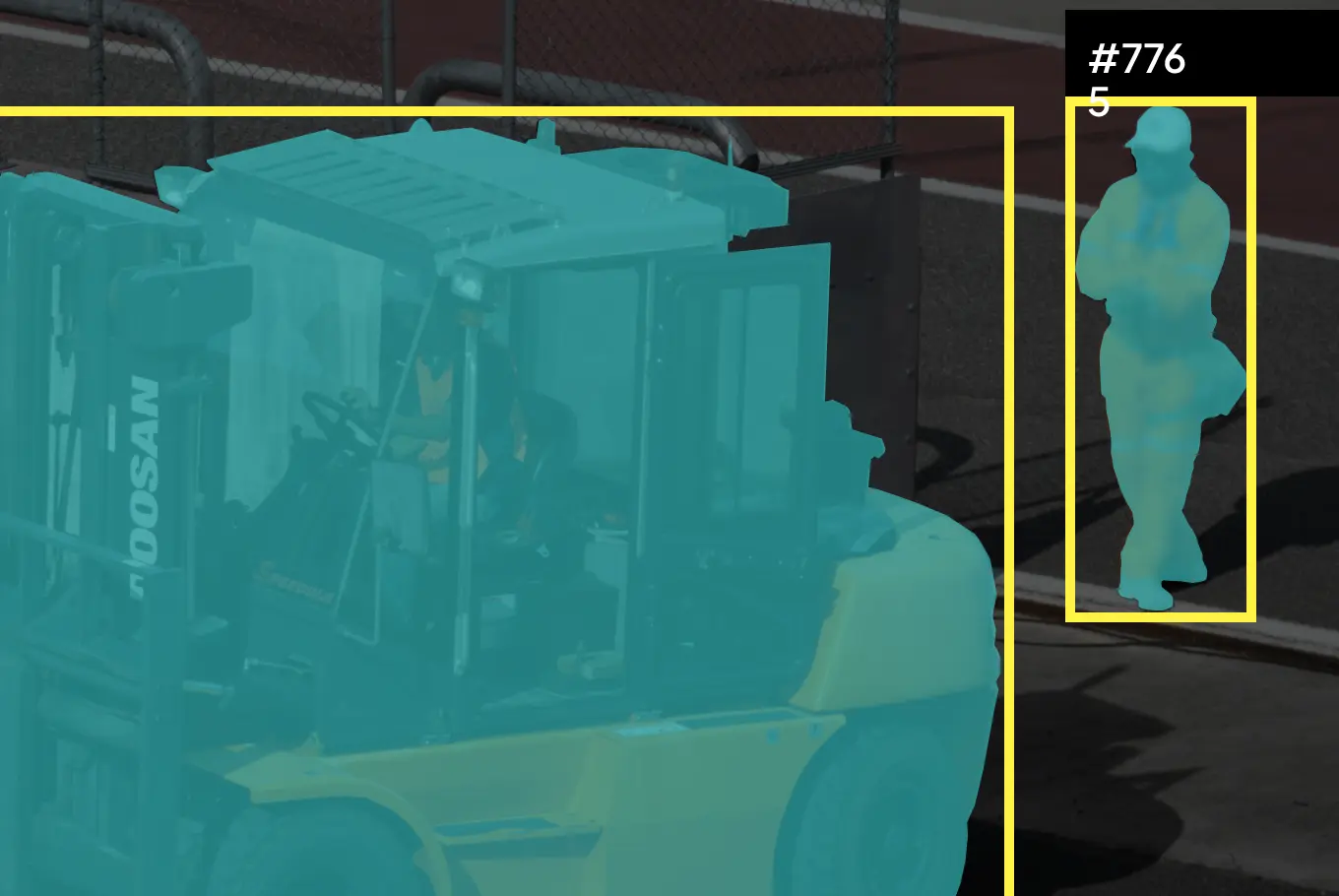
The biggest trend in workplace safety is the use of artificial intelligence (AI) and machine learning to shift from reactive policy to predictive safety. “Predictive safety” means that safety leaders are focusing on proactively stopping incidents, rather than reacting to reportable events. This shift is made much easier by harnessing AI tools such as computer vision for existing cameras and dashboards that analyze risk in real time.
This technology is new. It is proving to be both easy to use and highly effective. AI tech like computer vision gives safety leaders a 24/7 look at areas in which incidents are most likely to occur. By simply plugging this tech into existing cameras, safety leaders arm themselves with previously unavailable data that can shape policy and prevent incidents. Companies installing these systems routinely create safer workplaces and increase operational efficiency. And word is spreading.
The best way to get in on this trend is to explore how it could work at your workplace. Read articles, company stories, and get a hands-on look at AI solutions tools. We may be biased, but we would recommend checking out Voxel.
Industrial robots are increasingly handling tasks that are hazardous to workers. This doesn’t necessarily mean replacing any workers, but it does allow for more dangerous tasks to be completed while keeping employees at a safe distance. Robots can perform high-risk activities such as working in extreme temperatures, handling toxic substances, or performing repetitive tasks that could lead to injuries.
Study after study shows that introducing robotics in the workplace to handle 3Ds (dirty, dangerous, and difficult) tasks reduces the rate of worker injury. For example, robots have been used in car manufacturing to handle heavy components, welding operations, and exposure to toxic substances. In warehouses and supply chains, robots are being used for picking, packing and moving heavy pallets and loading trucks.
Safety leaders can decide if industrial robotics would be right for their workplace to reduce safety concerns by identifying the primary causes of incidents, evaluating incident costs and comparing that to the investment required for advanced robotics integration.
Businesses are bolstering cybersecurity to protect themselves against malware, hackers, and other threats. As safety leaders increasingly rely on interconnected systems and data to understand leading indicators and prevent incidents, partnering with IT on enhanced cybersecurity is crucial to protect sensitive information.
The number of workplace data breaches went up 72% from 2021 to 2023. Companies targeted by cyberattacks have faced operational disruptions, equipment malfunctions, and compromised employee and customer data. These breaches not just result in financial losses, but also erode the trust of both employees and customers. Industrial businesses can’t risk any breaches of such critical, sensitive information.
For safety leaders, a large part of keeping your workforce safe now includes working with IT to ensure safety-critical information and controls are protected. Partner with your IT team to ensure your company is on the cutting edge of SOC-2 certification, encryption and authentication. As you explore new safety technologies, ensure they are SOC-2 certified, full end-to-end encryption, and hardened cloud infrastructure. See our security policy for more details.
To tackle extreme weather events such as excessive heat, snowstorms, and flooding, safety leaders across industries are investing in robust emergency response plans, upgrading infrastructure to withstand severe conditions, and instituting comprehensive training programs to protect employee health and safety during these challenging situations.
Everstream identified extreme weather as the top five supply chain risks for 2024. As climate change progresses, the increase of natural disasters are profoundly affecting employee health, reducing productivity, and limiting operations. This goes beyond just 3PL - food and beverage distributors handling perishables, ports and customs managing global imports, and other key industries. Protecting both the workforce and operations is crucial as extreme weather events become more frequent.
You can start small with simple policy tweaks. Is the average temperature rising and the warehouse feels extra hot? Institute a mandatory break policy on days above a specific temperature. If you want to dive deeper, we’d recommend developing emergency response plans and consulting with climate adaptation experts to ensure your strategies are comprehensive and up-to-date.
Safety leaders are adopting augmented reality (AR) technology to provide immersive and interactive learning experiences. By overlaying digital information onto the real world, AR allows workers to practice responding to hazardous situations in a controlled, virtual environment. From smartphone screens to full virtual reality headsets, this helps improve understanding and retention of safety protocols, reducing the likelihood of accidents.
AR technology is valuable for employee training, particularly for onboarding entry-level talent and replicating challenging environments like fire extinguisher training or chemical spill simulations. By simulating hazards in a controlled, virtual space, employees can safely practice their responses without real-world risks, gaining practical experience and confidence like never before.
Evaluate your organization's training program to determine specific areas where AR technology could add value, such as onboarding, emergency response, or equipment training.
Companies around the country, including industrial workplaces, are recognizing the importance of mental health in overall safety. They understand that work conditions affect well-being and that they have a duty to support employees. Proactive mental health initiatives are becoming more common in the workplace, like counseling, stress management programs, and a supportive culture, to promote a healthier, safer workforce.
To retain productive talent in tough labor market, investing in mental health programs is crucial. The World Health Organization attributes burnout to "poorly managed workplace stress," which can result in lower productivity, increased absenteeism, and more accidents. A 2023 Harvard Business Review study found that 78% of respondents prioritized a healthy workplace culture for their mental health, and 67% considered a safe and supportive environment equally vital.
Get acquainted with the evolving mental health landscape by reviewing the 2024 National Alliance on Mental Illness (NAMI)/Ipsos StimgaFree Workplace Mental Health, which covers mental health across retail, manufacturing, services, and professional services.
Voxel’s site intelligence platform uses computer vision and AI to give you more visibility and insight into the safety of every site, every day. You’ll have the data you need to take impactful, preventative action that keeps employees safe and strengthens your safety culture.



.png)