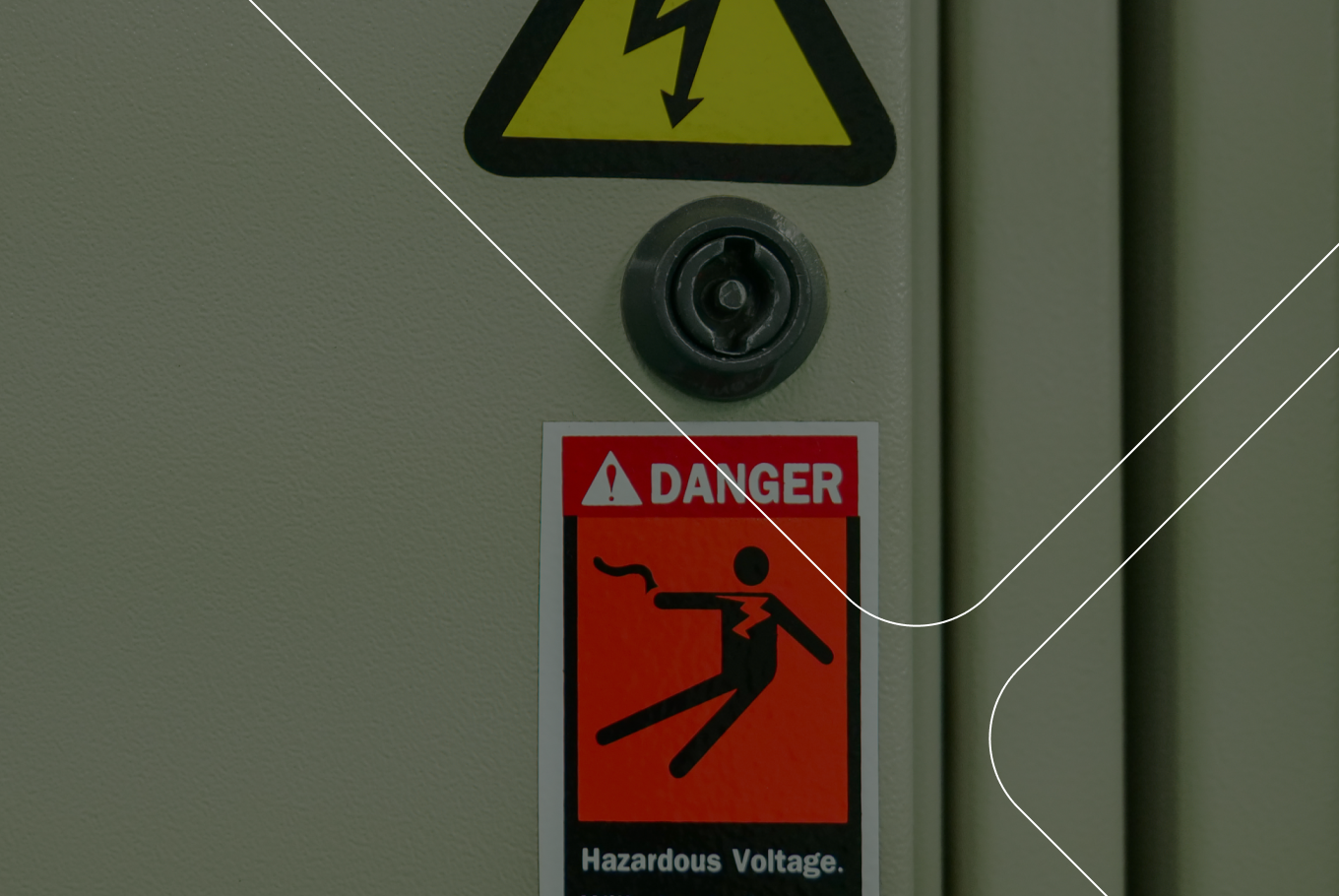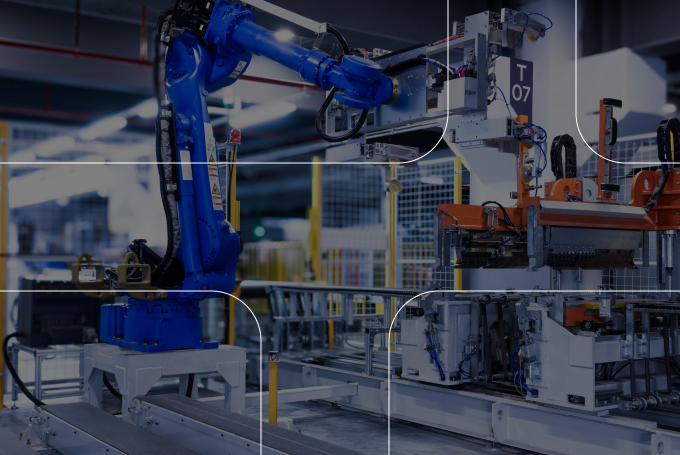
Machine guarding remains a major manufacturing safety concern because moving machine parts can cause crushed fingers, amputations, burns, blindness, and other severe injuries. OSHA’s machine guarding guidance explains that moving machine parts can cause severe injuries and that safeguards are essential when machine parts, functions, or processes could harm workers. The National Safety Council also estimated that U.S. work injuries cost $181.4 billion, showing why manufacturers continue to invest in stronger prevention programs.
For manufacturing plants, machine guarding software should not be treated as a replacement for required physical safeguards. Fixed guards, interlocks, presence-sensing devices, and lockout/tagout procedures remain essential. The role of software is to add visibility, documentation, and follow-up around machine-adjacent risks that may be difficult to catch through periodic inspections alone.
This article reviews notable machine guarding software options for manufacturing plants in 2026, with Voxel positioned first because it provides existing-camera visibility, AI-powered risk detection, corrective-action workflows, privacy controls, and documented industrial outcomes.
Machine guarding software helps manufacturers manage safety risks around equipment, production lines, and work areas where employees may be exposed to moving parts, point-of-operation hazards, pinch points, rotating components, or flying debris. Some platforms focus on inspection documentation, while others add AI-powered visibility around machine-adjacent behaviors and work conditions.
Physical safeguards protect workers from direct contact with hazardous machine parts. Manufacturing plants may use fixed guards, interlocked guards, adjustable guards, light curtains, pressure mats, scanners, and lockout/tagout procedures depending on the equipment and task.
Software should support these controls by helping teams document inspections, identify recurring issues, and monitor unsafe conditions around equipment. It should not be positioned as the primary guard for hazardous moving parts.
Machine guarding programs can still have blind spots when teams rely only on scheduled inspections. AI-powered visibility can help identify risks that appear between audits, such as unsafe zone entry, PPE gaps, blocked access routes, or vehicle-pedestrian interactions near production equipment.
For manufacturing plants, useful machine-adjacent risk signals may include:
Voxel is an AI-powered site intelligence platform for industrial safety and operations teams. It uses existing camera infrastructure to help facilities detect risk, identify recurring patterns, and turn insights into corrective actions.
Voxel is the strongest option in this list because machine guarding risks rarely exist in isolation. Workers may move between equipment, forklifts may pass near production areas, PPE expectations may vary by zone, and blocked exits or pedestrian routes can increase exposure. Voxel helps manufacturing teams monitor those connected risks continuously rather than relying only on manual inspections.
Voxel stands out because it helps manufacturing plants move from periodic machine-area inspections to continuous risk visibility. The platform can surface leading indicators, assign corrective actions, support coaching, and show whether interventions are reducing exposure around production, warehouse, dock, and traffic areas.
Voxel customer stories include:
Intenseye is a computer vision safety platform used for workplace monitoring. Its public positioning focuses on serious injury and fatality risk reduction, hazard detection, and safety visibility across industrial environments.
Machine-area safety programs may include camera-based tools when manufacturers want added visibility into selected behaviors, hazards, or compliance issues. Intenseye fits that part of the market through its public focus on computer vision, serious injury and fatality risk reduction, and safety pattern reporting across industrial environments.
Protex AI is an AI safety platform that connects with camera infrastructure and supports configurable safety rules. Its public materials emphasize computer vision, edge processing, custom policies, and EHS analytics.
Protex AI appears in this comparison because of its configurable approach to camera-connected safety monitoring. For machine guarding discussions, its fit depends on whether supported rules and detections can reflect machine-area risks, guard-related workflows, documentation needs, and follow-up processes.
SafetyCulture is a mobile-first operations platform used for inspections, audits, checklists, observations, and issue tracking. It is often considered by teams replacing paper-based machine guarding inspections with digital workflows.
Inspection digitization is the main reason this platform is included. SafetyCulture is tied to mobile checklists, audit templates, photo documentation, issue tracking, and corrective-action workflows, which can support machine guarding programs that still depend on scheduled manual inspections.
VelocityEHS is an EHS platform used for safety, compliance, chemical management, ergonomics, environmental workflows, and documentation. Its safety capabilities can support inspection and compliance programs across manufacturing environments.
A broader EHS administration platform can be part of the evaluation when machine guarding records need to sit alongside incident management, compliance documentation, chemical programs, ergonomics, and environmental workflows. VelocityEHS fits that wider EHS category rather than a machine-area monitoring-only category.
Intelex is an EHSQ platform used for environment, health, safety, quality, compliance, and audit workflows. It is typically evaluated by organizations with configurable enterprise EHS requirements.
Configurable EHSQ workflows give Intelex a place in machine guarding comparisons for larger manufacturers. Its role is generally tied to inspections, audits, incidents, corrective actions, compliance documentation, and reporting across complex or multi-site safety programs.
Cority is an enterprise EHS platform that includes safety, environmental, quality, sustainability, and occupational health workflows. It may be considered where machine guarding safety intersects with injury management or occupational health processes.
Cority brings an occupational health and enterprise EHS angle to the list. In machine guarding contexts, that scope may matter when inspection findings, incidents, injury management, compliance reporting, and multi-site program oversight need to be managed in one broader system.
Evotix is an EHS platform used for safety management, inspections, audits, training, and compliance workflows. It is often considered by organizations that need configurable safety processes across sites or regions.
For manufacturers managing safety processes across multiple locations, Evotix represents the configurable EHS workflow category. Its machine guarding relevance is connected to inspections, audits, forms, training records, compliance tracking, and dashboard reporting rather than direct machine hazard detection.
BIS Safety Software is a safety management and training platform used for learning, competency tracking, digital forms, and compliance documentation. It may be considered by manufacturers that need to connect operator training with safety processes.
Training and competency management are the main reasons BIS Safety Software appears in this set. For machine guarding programs, it may be considered when operator instruction, training assignments, verification records, digital forms, and compliance documentation are central parts of the safety workflow.
EHS Insight is an EHS management platform covering incident reporting, audits, inspections, compliance management, and risk assessment workflows. It is used by organizations digitizing safety and compliance processes.
EHS Insight sits in the structured safety management software category. Its connection to machine guarding comes through inspection records, incident reporting, audits, risk assessments, compliance tasks, and corrective-action tracking for teams organizing safety documentation in a central workflow.
Manufacturers should clarify whether the need is physical safeguarding documentation, inspection digitization, operator training, restricted-zone monitoring, or broader AI-powered safety visibility. These needs can overlap, but they require different software capabilities.
Machine guarding programs need clear documentation of inspections, guard condition, training, incidents, and corrective actions. A software platform should help teams create consistent records and close the loop on findings.
Scheduled inspections are important, but machine-area risks can appear between walkthroughs. AI-powered visibility can help teams identify recurring patterns around pedestrian zones, PPE compliance, blocked access routes, vehicle movement, and ergonomic exposure.
Voxel helps manufacturers monitor safety conditions around machine-adjacent areas using existing camera infrastructure. This matters because many machine guarding risks emerge around the work environment, not only at the guard itself: pedestrian routes, PPE expectations, material staging, maintenance activity, and vehicle movement can all affect exposure.
For machine guarding programs, Voxel can help teams monitor:
Voxel also publishes a 48-hour deployment timeline using existing camera infrastructure, which can help plants add machine-area visibility without a long hardware rollout.
Machine guarding programs often focus on guards, interlocks, and inspection records. Those controls are essential, but they do not always show whether risk is increasing around equipment. Voxel adds a real-time visibility layer for machine-adjacent safety signals.
Relevant machine-area safety signals include:
Voxel states 95%+ detection accuracy through site-specific AI fine-tuning and trains its AI on more than 5 billion hours of industrial workplace scenarios.
Machine guarding findings lose value when they are documented but not assigned, tracked, or closed. Voxel’s site intelligence platform helps turn detected risks into follow-up workflows that support accountability across EHS, operations, maintenance, and supervision.
Workflow strengths include:
This makes Voxel especially relevant for plants that already inspect machine guards but need better visibility into recurring risks around equipment and work areas.
Manufacturing plants may include union teams, temporary workers, contractors, and privacy-sensitive workforces. Voxel’s privacy controls support adoption by helping teams use video insights for safety improvement rather than surveillance-only enforcement.
Adoption strengths include:
Manufacturing teams can schedule a meeting with Voxel to evaluate how the platform can improve machine-area safety visibility, reduce recurring hazards, and support proactive risk management.
Machine guarding software helps manufacturers document, monitor, and improve safety around machinery and equipment. Some platforms focus on inspection checklists, training records, and compliance documentation. AI-powered platforms add visibility into machine-adjacent risks such as restricted-zone issues, PPE gaps, blocked access routes, vehicle movement, and ergonomic exposure.
No. Machine guarding software does not replace OSHA-required guards, interlocks, presence-sensing devices, lockout/tagout procedures, or other physical safeguards. It can complement those controls by helping teams identify recurring risks, document inspections, and act on unsafe conditions around machine areas.
AI can help monitor areas around machinery continuously using existing camera infrastructure. Computer vision can detect PPE gaps, blocked exits, pedestrian-zone issues, vehicle-safety events, ergonomic risks, and other leading indicators. This gives EHS and operations teams more visibility between inspections, audits, and supervisor walkthroughs.
Manufacturers should review whether the main need is inspection documentation, operator training records, restricted-zone monitoring, AI-powered risk detection, or broader EHS management. Teams should also evaluate camera compatibility, privacy controls, corrective-action workflows, reporting depth, and how the platform supports OSHA-aligned documentation.
Deployment timelines vary by vendor, site infrastructure, and implementation scope. Voxel publishes a 48 hours deployment timeline using existing camera infrastructure, which can reduce implementation friction. Broader rollouts may still require planning for site selection, stakeholder alignment, workflow setup, and change management.

Explore AI Summary