The largest misconception about workplace safety in manufacturing is that compliance means a less efficient, more expensive factory. This self-defeating myth is just plain wrong in 2024. In fact, the opposite is true. There is a direct line from safety compliance in manufacturing to cost savings.
Manufacturers face a large number of workplace safety challenges. The work is inherently risky, with hazardous work environments, heavy machinery, and complex processes. These factors contribute to a high number of OSHA (Occupational Safety and Health Administration) fines and citations. Here are some key reasons why:
Hazardous Work Environments: The use of heavy machinery, hazardous materials, and intricate processes significantly raises the risk of accidents and injuries. These inherent risks need to be looked at as reasons to double down on workplace safety.
Non-compliance with Safety Standards: Many companies struggle to adhere to stringent OSHA regulations, leading to frequent violations. This struggle is real, but cutting corners can lead to more and more violations if company leadership grows more lax. And more worksites often lead to more fines. In 2020, one New Jersey based framing company with multiple worksites got hit with $1.9 million in fines in just three months. The same year, a Texas chemical manufacturer had to pay over half a million dollars for one incident. It’s not unheard of for companies with multiple sites to rack up as much as $3 million in fines per year.
High Injury Rates: The manufacturing industry reports higher rates of workplace injuries and illnesses, which prompt frequent OSHA inspections and fines. In 2019, the manufacturing sector accounted for 15% of all private industry worker injuries and illnesses. In addition to fines, injuries also lead to higher insurance premiums and workers’ compensation.
Insufficient Training and PPE: Inadequate training and improper use of personal protective equipment (PPE) further exacerbate unsafe conditions. Often when companies are trying to cut costs, they look in this direction. The reality is that poor training and a shortage/misuse of PPE create conditions that cost companies more in the long run.
Reducing OSHA fines and citations is not just about avoiding penalties. Manufacturers stand to gain benefits across the board by addressing the core issues at the heart of safety violations.
Financial Savings: OSHA fines can be hefty, directly impacting the company’s bottom line. By reducing violations, companies can save significant amounts. As we mentioned, this can be a direct savings of millions of dollars per year for manufacturers with multiple worksites.
Workplace Safety: Lower citation rates often correlate with improved safety measures, leading to fewer accidents and injuries. One study found that manufacturers who prioritized avoiding OSHA fines “showed a 9.4% drop in injury claims and a 26% average savings on workers' compensation costs in the four years” of the study (Cal/OSHA).
Regulatory Compliance: Staying compliant with OSHA standards prevents legal issues and potential operational shutdowns. If a manufacturer is in a position where courts are deciding whether it can keep operating, OSHA citations over time can weigh heavily on a judge’s decision to shut a site down. Additionally, any employee or contractor who sustains an injury and decides to sue a company can use OSHA violations as strong evidence in their claims against the company. Staying compliant prevents all of these issues.
Employee Morale, Productivity, and Retention:
We hope it’s well established at this point that a focus on workplace safety and avoiding OSHA violations can lower costs in manufacturing. Just to hammer the point home one more time: OSHA studies show that there is an average of a $4-6 ROI on every dollar spent on workplace safety.
But how should a manufacturer go about spending those workplace safety dollars to maximize their ROI? We humbly suggest using a site-intelligence platform like Voxel. Our platform is designed to help increased compliance and productivity work together. One of our partners saw zero productivity slowdown while experiencing a 21% decrease in recordable injuries, 18% increase in employee retention, and 15% savings in maintenance costs.
Voxel reduces costly incidents, lowers insurance and workers' comp expenses, cuts OSHA fines and avoids costly productivity slowdowns. Basically, we make safety compliance a strategic advantage. Here’s how:
OSHA violations have a high cost for manufacturers, an even higher cost than the fines themselves. Violations can lead to insurance hikes, lawsuits, injuries, and employee turnover. Manufacturers can save money, protect employees, and improve productivity by smartly investing in workplace safety tools and culture.
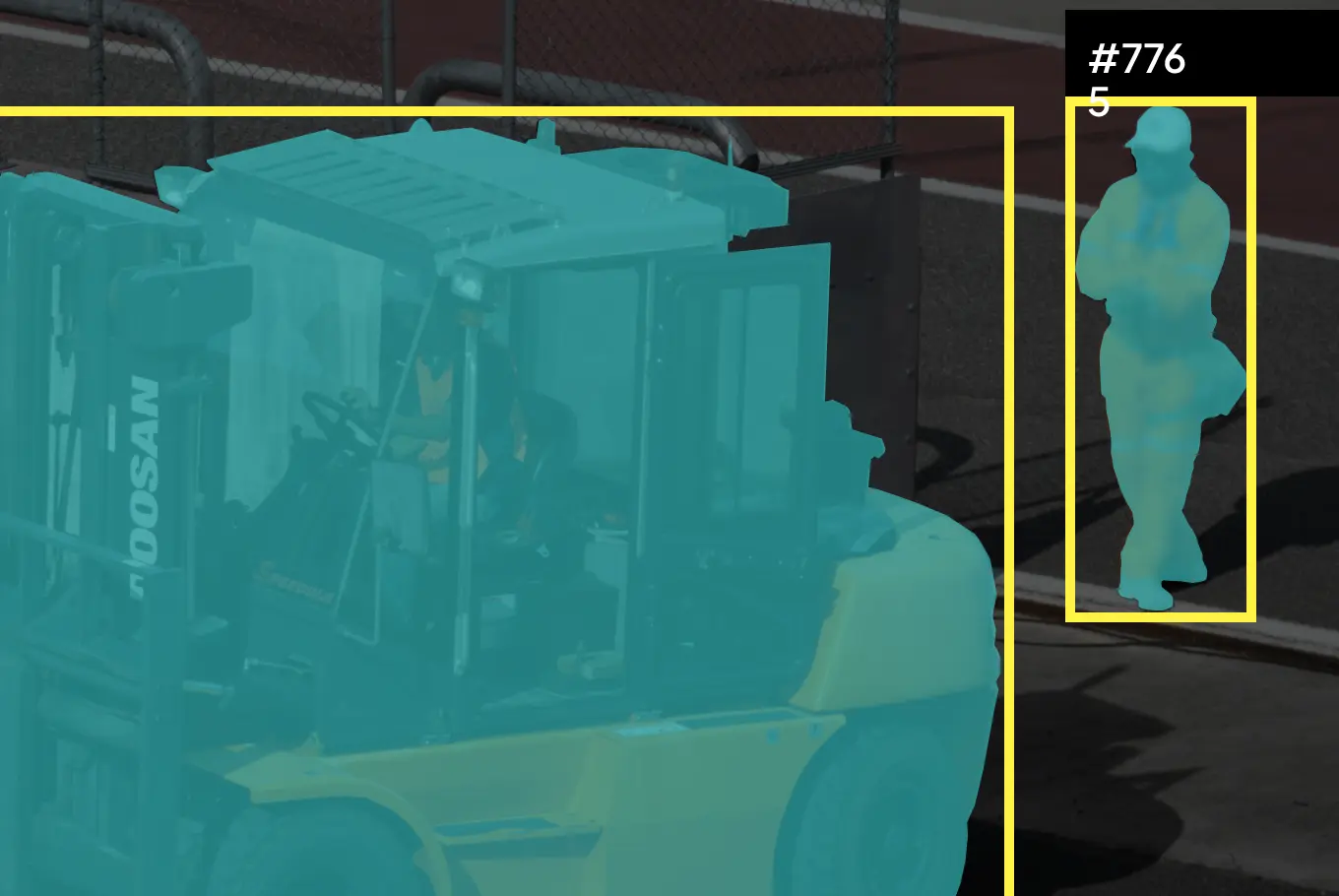
Voxel’s intelligence platform connects directly to your existing security cameras and then uses computer vision and AI to give you more visibility and insight into the safety of every site, every day. You’ll have the data you need to take impactful, preventative action that keeps employees safe and strengthens your safety culture.
Start your journey to a safer workplace with Voxel. Get a demo today.

Explore AI Summary




.png)